Marvel was valued at $54 billion. Star Wars at $181 billion. And Pokemon at $115 billion.
What do they have in common? IP with a passionate fanbase.

And that’s great news for companies like Skybound Entertainment.
Skybound is one of the few companies that have successfully struck deals with major streamers and studios while keeping 250 of their own IP properties and the profits across gaming, merchandise, and licensing.
The opportunity to own a piece of it closes soon.
Here’s how they use that IP to create global franchises: They create the comics, where audience response helps shape their next breakout hits, then scale the strongest stories through TV and film, and monetize through releasing games, merchandise, and more. The Walking Dead and Invincible are just two big names in their portfolio.
Now you can own a piece of what’s next. Final days to invest before the opportunity ends.
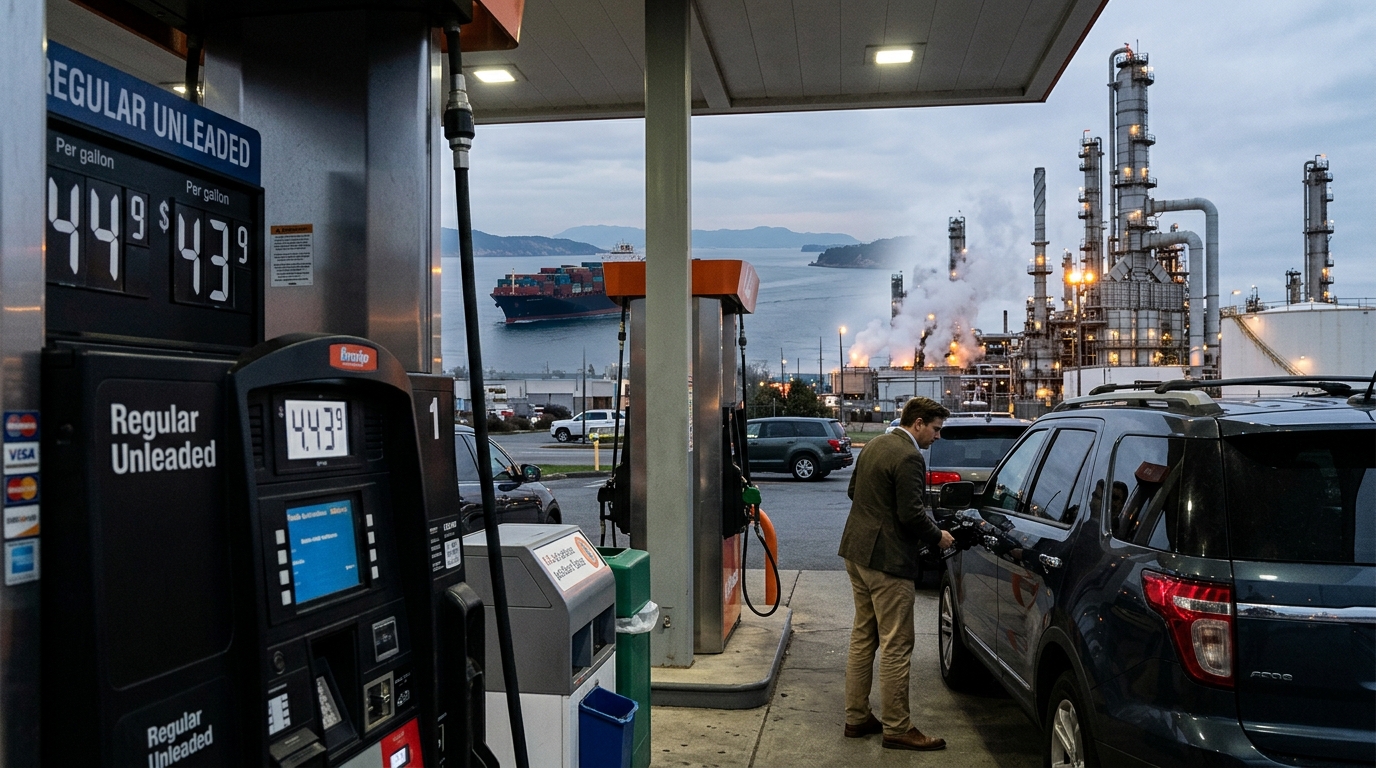
65 Billion Barrels and Gas Is Still $4.43
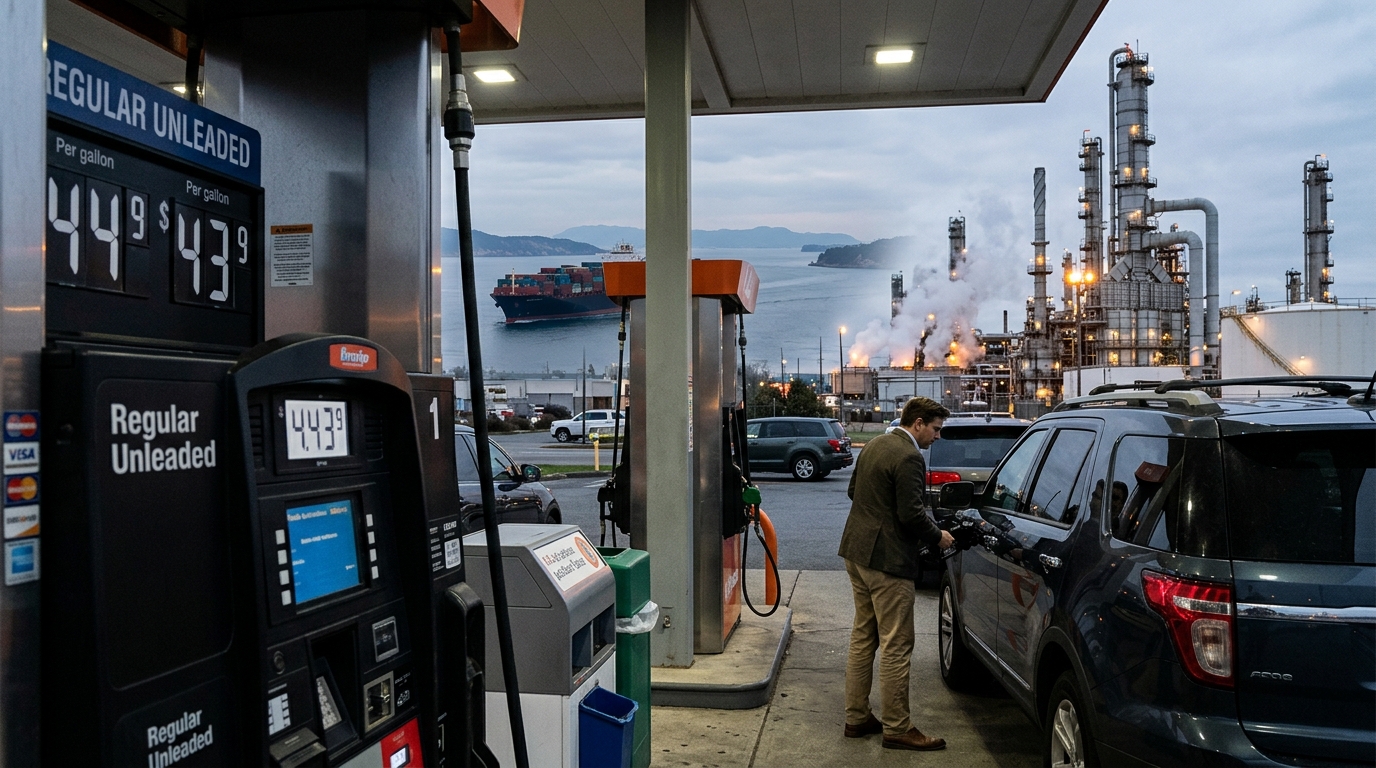
When President Trump announced what he called the biggest oil deal in history on August 28, the promise was straightforward: U.S. majority control over more than 65 billion barrels of Venezuelan reserves would “substantially lower gas prices for all Americans.” The national average at the pump stood at about $4.43 per gallon in mid-September 2026, up from roughly $3.20 one year earlier. Three weeks later, it has not moved meaningfully lower. The question institutional investors are asking is not whether the deal matters long-term. It does. The question is why the world’s largest reserve acquisition cannot move a gallon of regular today, or next quarter, or probably before the midterm elections.
The answer has three parts, and each one is a separate problem.
Venezuela’s Oil Cannot Be Turned On Like a Tap
Much of the acreage involved in the deal is greenfield, likely taking years to reach production, while the remaining brownfield assets were left to deteriorate under Chavez and Maduro and will require billions in capital investment before generating meaningful output. Rystad Energy’s read is even longer: reaching 3 million barrels per day would require around $180 billion in investment, with meaningful growth unlikely before the 2030s. What is flowing right now is more than 500,000 barrels per day moving from Venezuela to the U.S., a large share of the country’s roughly 1.2 to 1.3 million bpd output. That is real volume, but it is nowhere near sufficient to move a global market that consumes roughly 103 million bpd.
The crude itself compounds the problem. Venezuela’s oil is heavy, sour crude, and extracting and refining it is costly. It will take years for the deal to result in a meaningful ramp-up in production due to Venezuela’s severe physical bottlenecks and ageing infrastructure, most notably degraded pipeline gathering systems, insufficient electrical grid support, and a lack of specialized crude upgraders. Fidelity’s energy portfolio manager put it plainly: any material changes in Venezuela’s oil exports will take an extended amount of time before they can affect global oil supply, and thus affect oil prices.
U.S. Refineries Have No Room Left to Run
Even if Venezuelan barrels arrived tomorrow in unlimited quantities, there is a structural ceiling on how fast they become gasoline. The more immediate constraint on gasoline prices is refining capacity: U.S. refinery utilization reached 97.4% in the week ending August 21, the highest in nearly eight years, with crude inputs already at about 17.3 million bpd. Venezuelan barrels can replace more expensive feedstock and improve refinery economics, but replacing one crude barrel with another does not add processing capacity.
According to S&P Global, the Gulf Coast diesel crack against WTI reached $91.06 per barrel on August 25, up from $30 a year earlier, while the gasoline crack reached $40.43 compared with $16.40 a year earlier. ClearView Energy Partners estimates a 2-to-3-million-bpd refined-product shortfall currently, while the IEA estimates 4.7 million bpd in lost global refinery throughput compared with 2025. Venezuela is plugging a feedstock gap, not creating new capacity. Those are entirely different problems.
Hormuz Is the Variable Wall Street Cannot Hedge
The real override on energy prices sits 8,000 miles from Caracas. The Strait of Hormuz typically carries about 20% of global oil consumption and a far larger share of seaborne oil trade, and the conflict-driven impairment there has been a major source of disruption to global oil supplies.
Goldman Sachs raised its Brent forecast by $5 to $85 per barrel for December 2026. Goldman warned Brent could soar above $120 in 2027 if crude output in the Gulf remains 4 million barrels per day below prewar levels, with more intense shipping attacks in Hormuz and the Red Sea seen as the most likely driver of that scenario. The EIA’s September 2026 outlook forecasts Brent averaging around $90 per barrel in the second half of 2026 before falling to $77 by the second quarter of 2027 as Middle East exports gradually recover.
Stocks to Watch
Valero Energy (VLO) is the most direct beneficiary of the Venezuelan volume already moving. It leads U.S. refiners in processing Venezuelan heavy crude, and the feedstock discount it captures improves crack margins even if pump prices stay elevated.
Chevron (CVX) holds the only near-term Venezuelan upside that analysts broadly agree on. It is the single operator with infrastructure in place to ramp without starting from zero.
Marathon Petroleum (MPC) operates the most complex coking capacity on the Gulf Coast and stands to gain from incremental heavy crude availability, though it faces the same throughput ceiling as the rest of the industry.
The Venezuela deal is a strategic asset, not a price lever. The committee debate worth having is not whether 65 billion barrels matters over a decade. It clearly does. The debate is whether investors pricing energy stocks on a near-term pump-price recovery are solving for the wrong variable entirely.