One phone call reorganized the entire energy trade this morning. Oil declined after a report said President Donald Trump wants to give diplomacy with Iran more time before potentially resuming strikes following Tuesday’s midterm elections. Brent fell nearly 4% to about $109 a barrel, erasing all of Friday’s gains, while West Texas Intermediate traded near $101, after Trump told Benjamin Netanyahu of his preference for diplomacy in a phone call, a strategy that concerned the Israeli prime minister.
Brent ended last week at its highest level since April, supported by concerns that the US-Iran conflict could intensify following Tuesday’s US midterm elections. That deadline-driven bid is now unwound. The market spent roughly two weeks pricing a specific outcome, renewed strikes soon after the Nov. 3 midterm elections, and the Trump-Netanyahu call pulled that floor out before the vote even happened.
This is not a peace deal. Iranian officials have said they are still giving diplomacy a chance, with talks involving Qatar, but they have also stressed conditions for any agreement. Trump has previously warned that military action could resume if diplomatic efforts fail, keeping uncertainty around the conflict elevated. The risk premium has been trimmed, not removed. The market remains alert to the possibility that rhetoric around Iran could ratchet higher after the midterm elections and push Brent back toward $120.
Energy: Sell the Relief or Hold the Range?
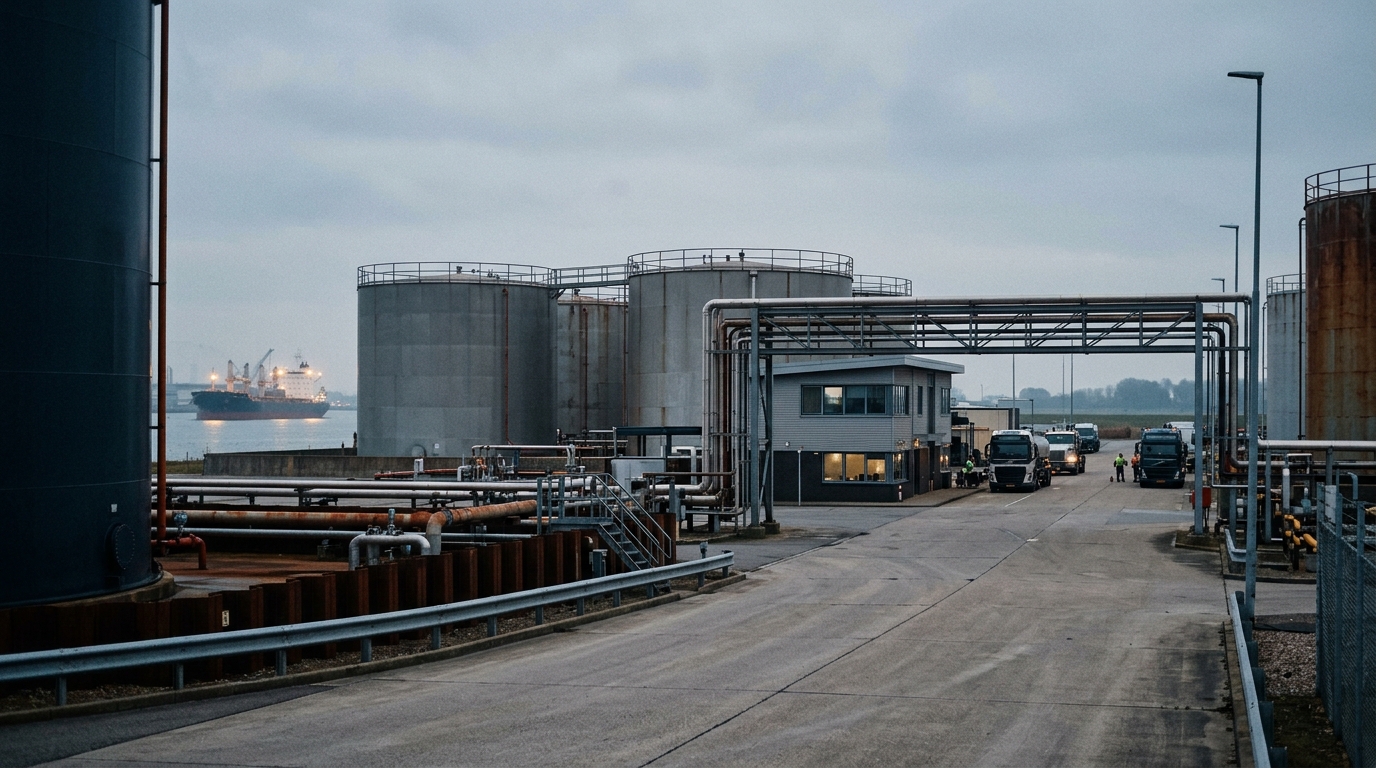
A meaningful portion of both XOM’s and CVX’s 2026 gains was built on a war premium, and peace talks have a way of resetting that premium quickly. That dynamic is live again today. The drop below $110 does not indicate an oversupply; rather, it represents a correction of the geopolitical risk premium that had accumulated over the past fortnight. For XOM and CVX, the key question is whether Brent can hold the $108-$110 band. If it does, full-year earnings revisions stay intact. A break lower, toward $105, invites a more serious de-rating. Diamondback Energy (FANG) and ConocoPhillips (COP) carry higher operational leverage to spot crude, so they will move faster in both directions from here.
Airlines: The Mirror Trade
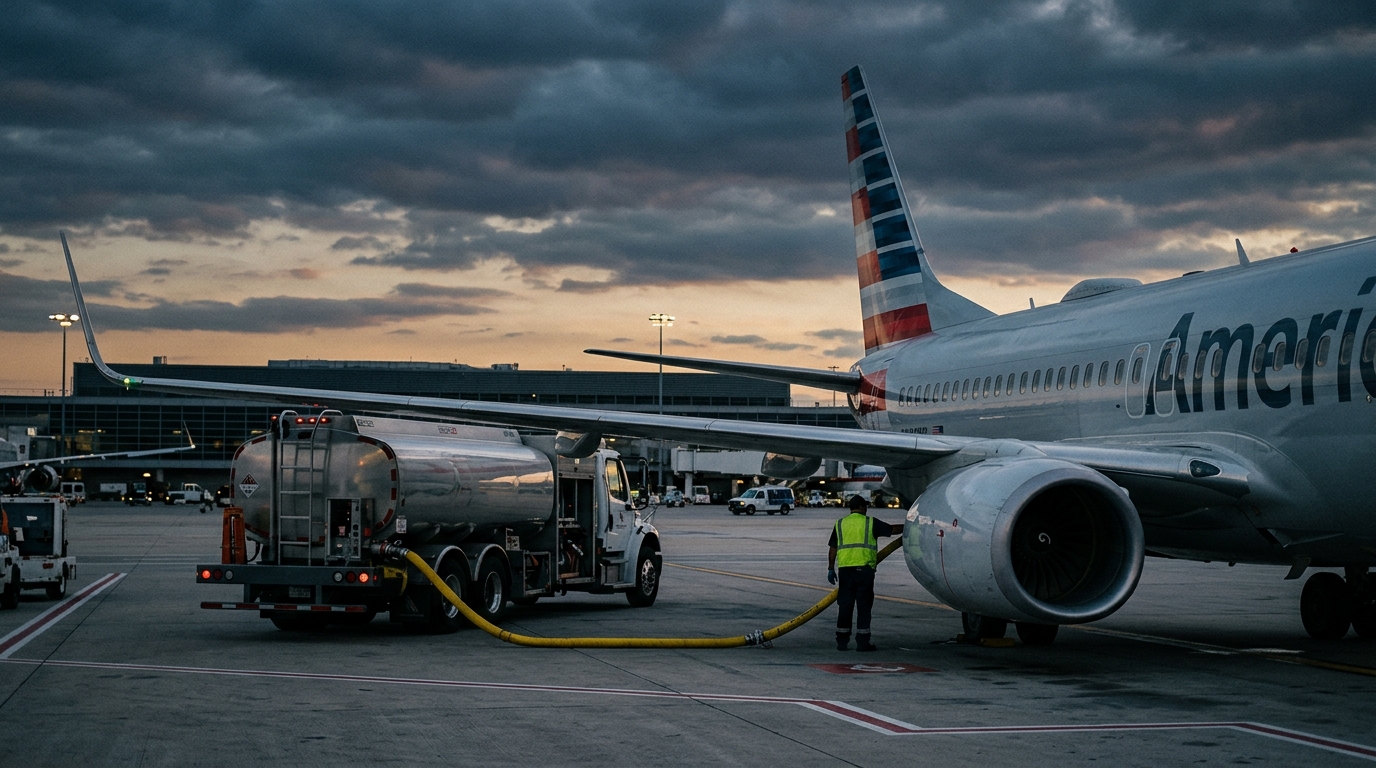
Delta Air Lines’ 2026 fuel expense is now projected at $11.17 billion, up 10.8% from estimates prior to the start of the conflict in late February. On average, analysts have lifted full-year fuel expense expectations by 9% across carriers. Every dollar off Brent matters to margins that have been squeezed all year. Most major U.S. airlines have little to no material fuel hedging, which cuts both ways. With lighter hedge books, airlines absorb today’s price drop faster than normal. DAL, UAL, and AAL are the direct beneficiaries if Brent stays below $112 through year-end.
Defense: The Complicated Side
Defense stocks have not produced a clean, sustained conflict bid during this war, limiting the obvious downside for the group today. Lockheed Martin and Northrop Grumman do not need escalation to sustain their order books; multi-year contracts and existing appropriations buffer near-term swings in geopolitical temperature.
Levels and the Plan
Brent $110 is the pivot. Above it, energy holds its trend and the airline rotation trade is a hedge, not a primary position. Below it, especially on a daily close under $108, the war premium is draining faster than diplomacy warrants and energy names become a trim, not a hold.
The midterm elections on November 3 are the next hard catalyst. Analysts have warned that rhetoric surrounding Iran could intensify after the vote, potentially pushing Brent back toward $120 per barrel. Traders who chase the airline rally too aggressively before that vote are taking the other side of a still-live escalation risk. The better posture: let Brent confirm its range after the election results, then size the sector rotation with conviction rather than anticipation.