
October 7, 2026
Bonus Content: The Nikkei Looks Cheaper Than the Nasdaq for AI. The BOJ Could Change That.
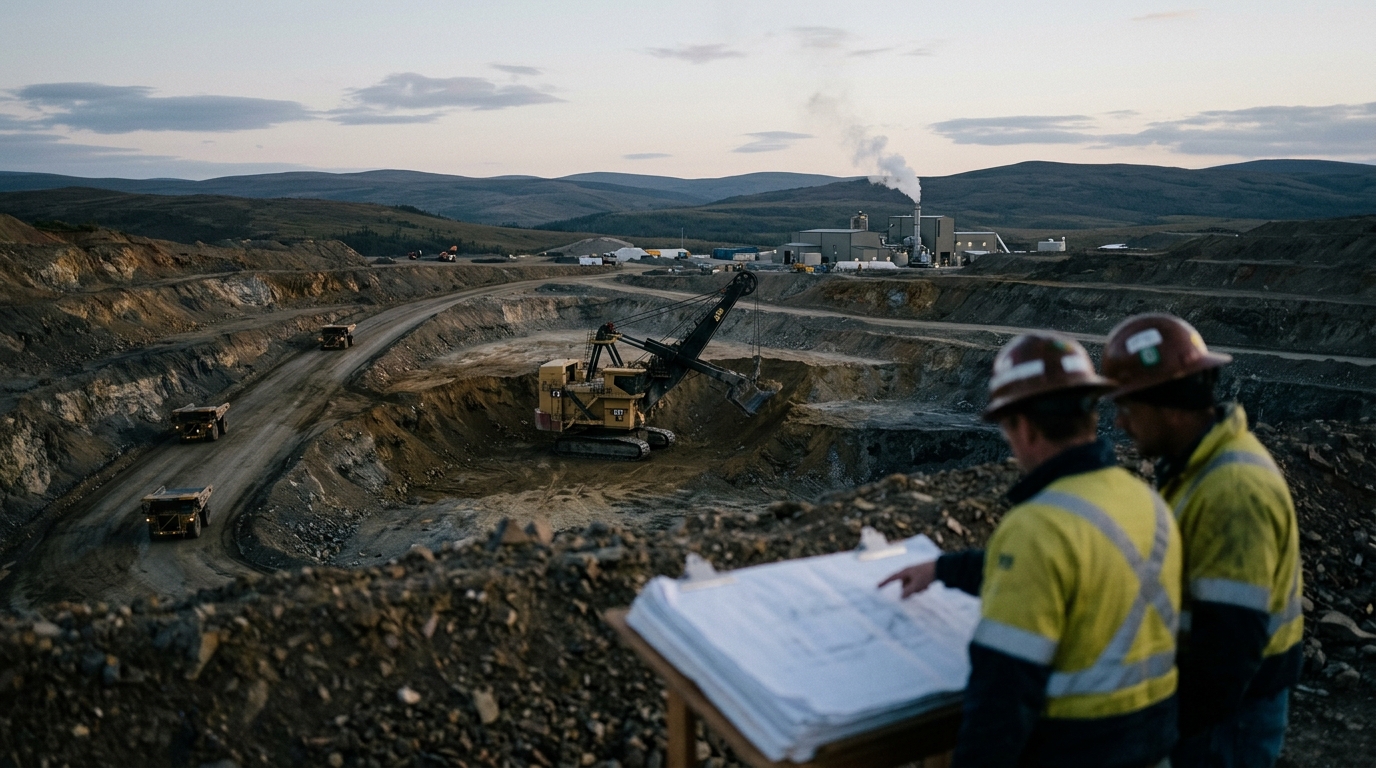
At a time when copper demand is growing, a long-dormant copper property is about to thrust one little-known mining company into the spotlight.
It’s all happening in Canada’s Yukon territory, an area with a rich mining history and the kind of infrastructure and friendly regulatory environment that mining companies fight tooth and nail for.
In the case of copper mining, there is one area that has more than a century of history with past production of over 265 million pounds and yet there’s still more to be discovered.
And it couldn’t have happened at a better time.
Countries need copper to build their power grids and move away from fossil fuels.
Tech giants need copper to power their data centers.
And new mines just aren’t coming online at the pace they need to in order to keep up with that kind of surging demand.
It’s a reality the market is only just beginning to wake up to, and that fact is showing up in the price of copper as it marches steadily toward new all-time highs.
Since the process of bringing a mine online and getting the metal out of the ground is so intensive, the few companies capable of doing it are the ones in line to drive returns as more nations and corporations scramble to secure copper supply.
One mining company with assets in that storied Yukon territory is perfectly positioned to seize the opportunity to become a leading name in the copper mining industry thanks to district-scale projects that have produced exceptional results in the past.
Some of these areas haven’t been explored or drilled in over 40 years because of price collapses. But with demand resurging and mining technology having advanced in the time since, now is the time for this area to come back into the conversation.
Results so far have already been promising. Recent results have turned up thick, continuous zones of mineralization that have not only confirmed what past drillers knew, but have expanded beyond that and into new territory.
So this company is only just getting started.
Thanks to its robust treasury, experienced leadership, and ongoing work, it’s well-positioned to profit from rising copper demand into the foreseeable future.
Now’s the perfect time to buy in before more traders become aware of it.
You can learn more about how to do that in our brand-new FREE report where we go over the company, its history, its current assets, and its plans for the future in the unfolding copper bull market.
Click here to access the report now, before time runs out and more people learn about this opportunity.
The Nikkei Looks Cheaper Than the Nasdaq for AI. The BOJ Could Change That.
The question circulating among global portfolio managers this week is deceptively simple: with the Nikkei sitting around 70,684 and the yen near 158 to the dollar, is Japan just a leveraged, discounted version of the same AI trade driving the Nasdaq?
The bull case writes itself. Japan’s main stock index closed at 70,683.98 on October 6. The companies doing the heavy lifting are not Toyota or bank conglomerates. AI semiconductor names like Tokyo Electron and Advantest have contributed meaningfully to the index. In a single session last week, SoftBank Group rose more than 6%, while Fujikura climbed about 6%. These are not domestic consumption stories. They are components of the same global AI supply chain that investors are already paying peak multiples to own in the United States.
The currency math is where it gets interesting. USD/JPY traded around 158.18 on October 6. That creates a genuine structural discount for dollar-based investors looking at Japanese AI names: the underlying businesses are keeping pace with their American counterparts, but the exchange rate is offering a rebate. Whether an investor captures that rebate depends entirely on how they are positioned.
The currency-hedged WisdomTree Japan fund DXJ returned roughly 46% over the past year while the unhedged iShares MSCI Japan ETF EWJ returned just 27%, despite both funds holding Japanese stocks. The gap is almost entirely explained by yen weakness eroding unhedged returns. That spread is the core of what investment committees are debating: EWJ holders are betting the yen eventually strengthens and recoups the drag; DXJ holders are betting it does not, or at least not soon enough to matter.
The Variable Nobody Has Priced Cleanly
The BOJ meets on October 28, and the range of outcomes is wider than market pricing suggests. Market-implied probability estimates of a hold vary by source, but they still show a strong base case for no move. That sounds decisive. It is not. The BOJ raised rates by 25 basis points to 1.25% in a 7-2 vote at its September meeting, taking borrowing costs to their highest level since April 1995. The hike came just three months after the previous increase.
Governor Kazuo Ueda has framed policy as entering a new phase, with more attention on preventing inflation from overshooting the 2% target. His October 6 remarks did little to move the yen. The summary of opinions from the September meeting included a view that there was no need to rush, and a government representative was reported to have urged restraint on further hikes. Yet former BOJ executive director Kazuo Momma has put the odds of an October back-to-back hike at 20% to 30%.
A surprise hike on October 28 would not just change bond pricing. It would compress the DXJ-EWJ spread quickly as the yen strengthened against the dollar. If the yen strengthens, DXJ will underperform EWJ by a comparable margin, a risk that materialized in late August 2024 when DXJ saw a one-day flow estimate of about $408 million after Japan rate news and yen volatility.
What Most Managers Are Missing
The consensus debate is framed as BOJ hawkishness versus dovishness. The more interesting question is what a hold does to the yen itself. USD/JPY rallied above 160 earlier in September, then fell into the low-to-mid 150s as markets priced in and reacted to BOJ tightening, and later retraced much of that move. The yen is already back near where it was before the last hike shocked markets. A hold on October 28 confirms that 158 is comfortable for policymakers, which is precisely the environment in which the DXJ structure earns its keep.
Meanwhile, foreign investors are a dominant source of turnover in Japanese equities, but the claim that they account for about 70% of brokerage trading is not something JPX publishes as a single, standard headline figure across venues and definitions. The AI semiconductor concentration in the Nikkei means global managers are not buying Japan in a broad, diversified sense. They are buying specific names and accepting the currency packaging as a secondary consideration. That framing matters: it means the October 28 meeting is less a macro event for Japan and more a direct cost-of-carry decision for the same investors already long Nvidia and TSMC.
Stocks to Watch
- Tokyo Electron (8035.T): The largest semiconductor equipment company in Japan by market cap, directly tied to AI chip production capacity globally. A hold at October 28 and a stable yen extend the current bid.
- Advantest (6857.T): Revenue for fiscal year 2025 reached JPY 1,128.6 billion, a 44.7% year-over-year surge, with a core operating margin of 44%. The clearest single-stock expression of AI test equipment demand in Japan.
- DXJ: The instrument of choice if the October 28 hold confirms the yen stays weak. Any surprise hike flips the trade sharply.
- EWJ: The instrument for investors who believe the BOJ is structurally more hawkish than current hold probabilities imply and want yen appreciation optionality at lower cost.
- Fujikura (5803.T): The fiber optic and interconnect play that has become a proxy for AI data center infrastructure buildout in Japan, and a name that institutional flow has chased aggressively in recent sessions.