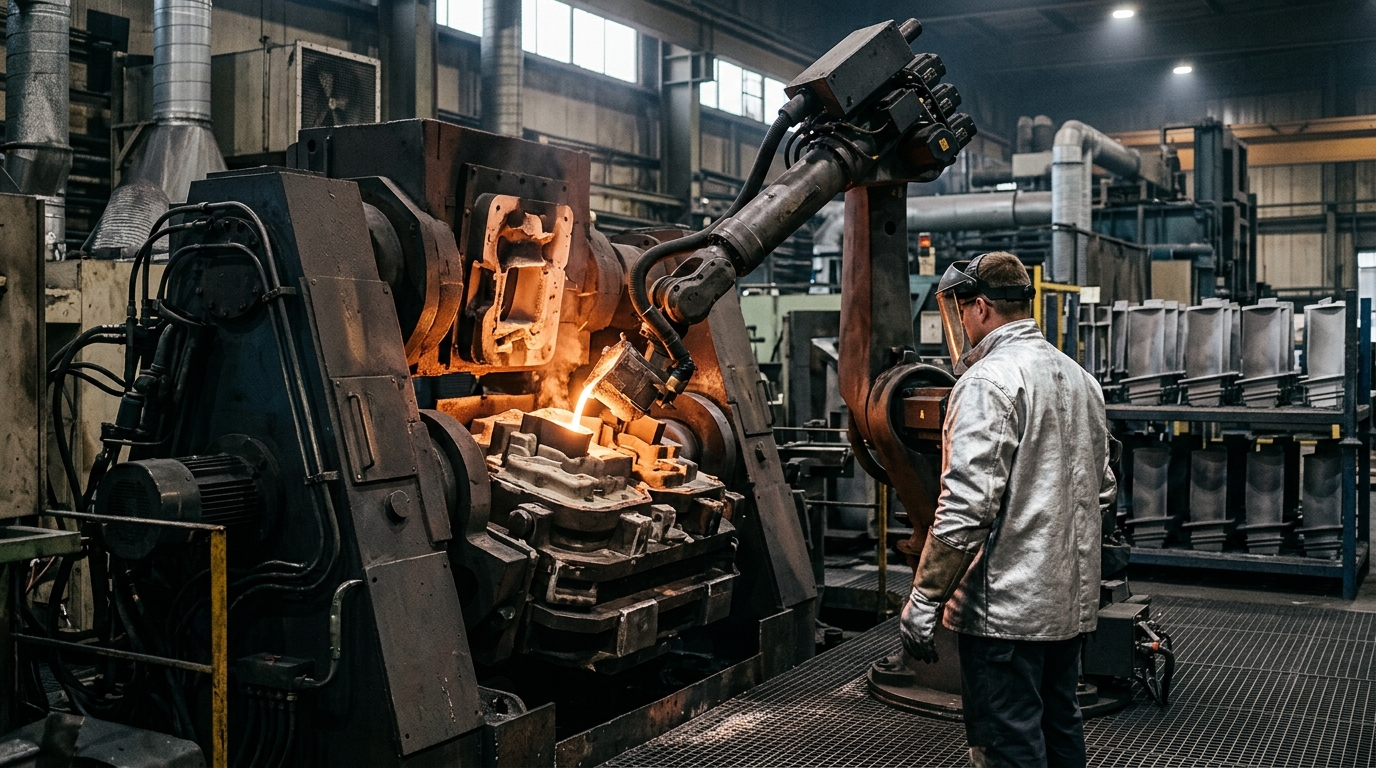
For two years, the constraint on artificial intelligence infrastructure was assumed to be silicon. Nvidia could not make enough GPUs; everyone else waited. That bottleneck has now moved one layer deeper, into a foundry process so specialized that only four companies in the West cast turbine blades and vanes at industrial scale, and all of them are at capacity.
Elon Musk surfaced this reality over the weekend when he confirmed on X that SpaceX is building a blade-and-vane casting plant in Bastrop, Texas. His framing was direct: the limiting factor for natural gas turbine production is casting the blades and vanes, and by doing in-house casting at SpaceX, the company can accelerate turbines coming online by up to 18 months, which he called a profound game-changer.
Howmet Aerospace fell about 7.5% on Monday, August 31, 2026 on that news. The stock traded between a low of about $240.38 and a high of about $250.79 that day.
The selloff tells you what the market thought it was buying. Howmet had been priced partly as a beneficiary of the AI energy build: one of the few businesses sitting at the throat of turbine supply as hyperscalers raced to stand up behind-the-meter gas power. Turbine blades operate under extreme temperatures and stress, requiring highly specialized casting techniques and decades of manufacturing expertise, which helps explain why capacity remains limited even as demand has surged alongside AI infrastructure investment. Scarcity, in other words, was the moat.
SpaceX is now challenging that moat directly. If SpaceX can cast what only a small handful of shops can produce today, Musk-controlled data centers get power while competitors wait, an advantage that is expensive and slow to copy. The immediate strategy is captive: get their turbines online up to 18 months sooner than the oligopoly will allow. Whether SpaceX eventually sells blades to other hyperscalers is optionality, not a commitment.
Wall Street is divided on how seriously to take the threat. Jefferies analyst Sheila Kahyaoglu, citing channel checks, estimates about four years before SpaceX products arrive. Bernstein said it has little doubt SpaceX will try to build the capability, but expects the effort to serve SpaceX’s own power needs rather than turn the company into a merchant caster, a reading on which Monday’s slide should be a buying opportunity.
That may prove correct. Howmet’s 2025 revenue was $8.252 billion, up 11% year-over-year, with adjusted operating income excluding special items up 30% year over year. Demand in aerospace and gas turbines drove margin expansion, and the company guided to roughly 10% revenue growth in 2026 with improved profit and cash generation. A foundry that serves only SpaceX’s captive demand does not obviously change that picture.
But the longer argument is worth sitting with. Musk has a track record of vertical integration that started as defensive and ended as disruptive. The casting oligopoly derived its pricing power from scarcity that no single buyer had been motivated enough to break. A shortage only a handful of companies can relieve is a pricing advantage, until the largest buyers build the capability themselves. SpaceX is the first sign that the largest buyers are no longer willing to queue.
For long-term investors, the question is not whether Howmet falls further this week. It is whether the moat they paid for is structural or merely situational. Monday’s market offered one answer. The next four years will offer a better one.