June 8, 2026
Intel Had a Big Day. Kind Of.
The Google foundry order, the Nvidia testing reports, and why the close tells a different story
Let’s start with the number that matters most today: not the high, not the gain, but the close.
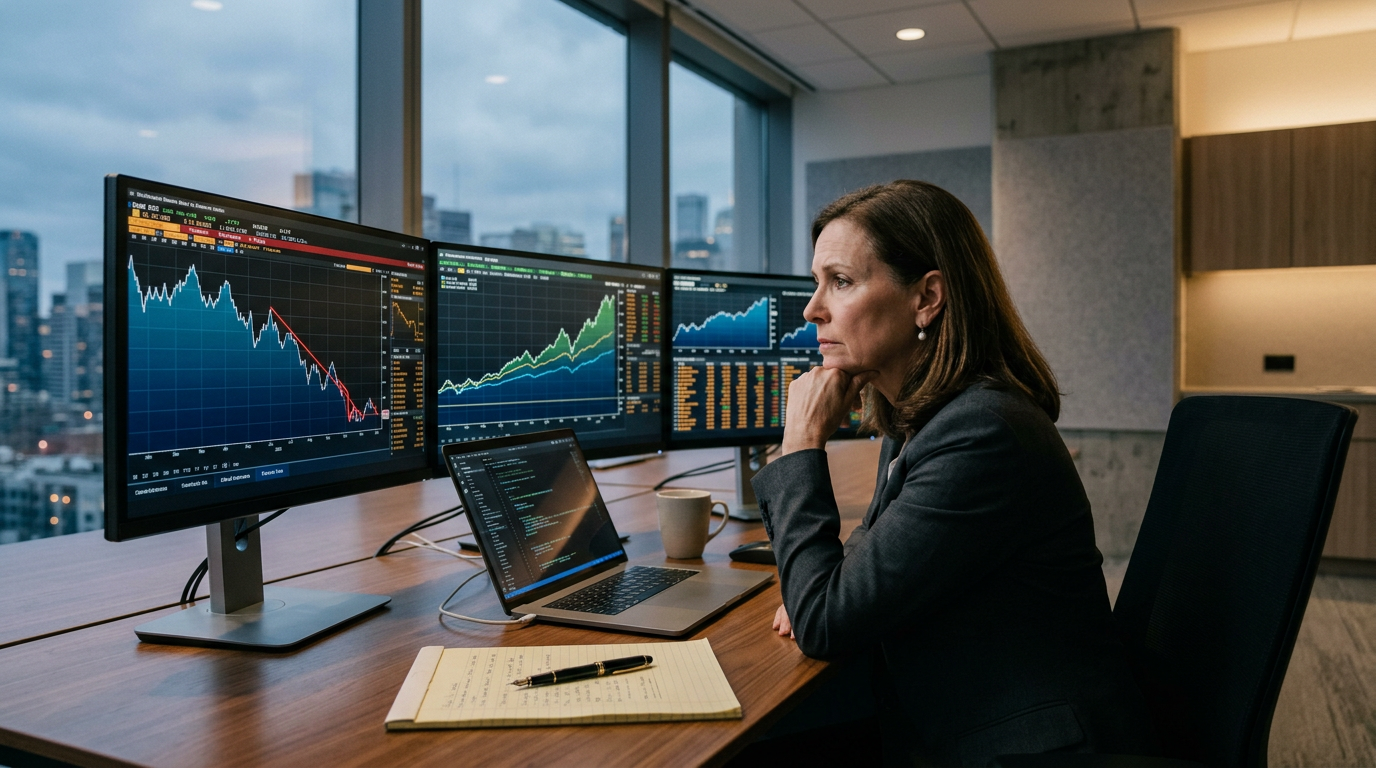
INTC opened near $111 this morning, pushed to an intraday high of $113.60, and finished the session around $110.18. That is still up roughly 11% on the day. But the stock gave back nearly half its peak gains in the final two hours of trading. In a name this volatile, in a macro environment this unsettled, that kind of fade is not noise. It tells you something about where conviction actually sits.
The catalyst was real. Two of them, actually.
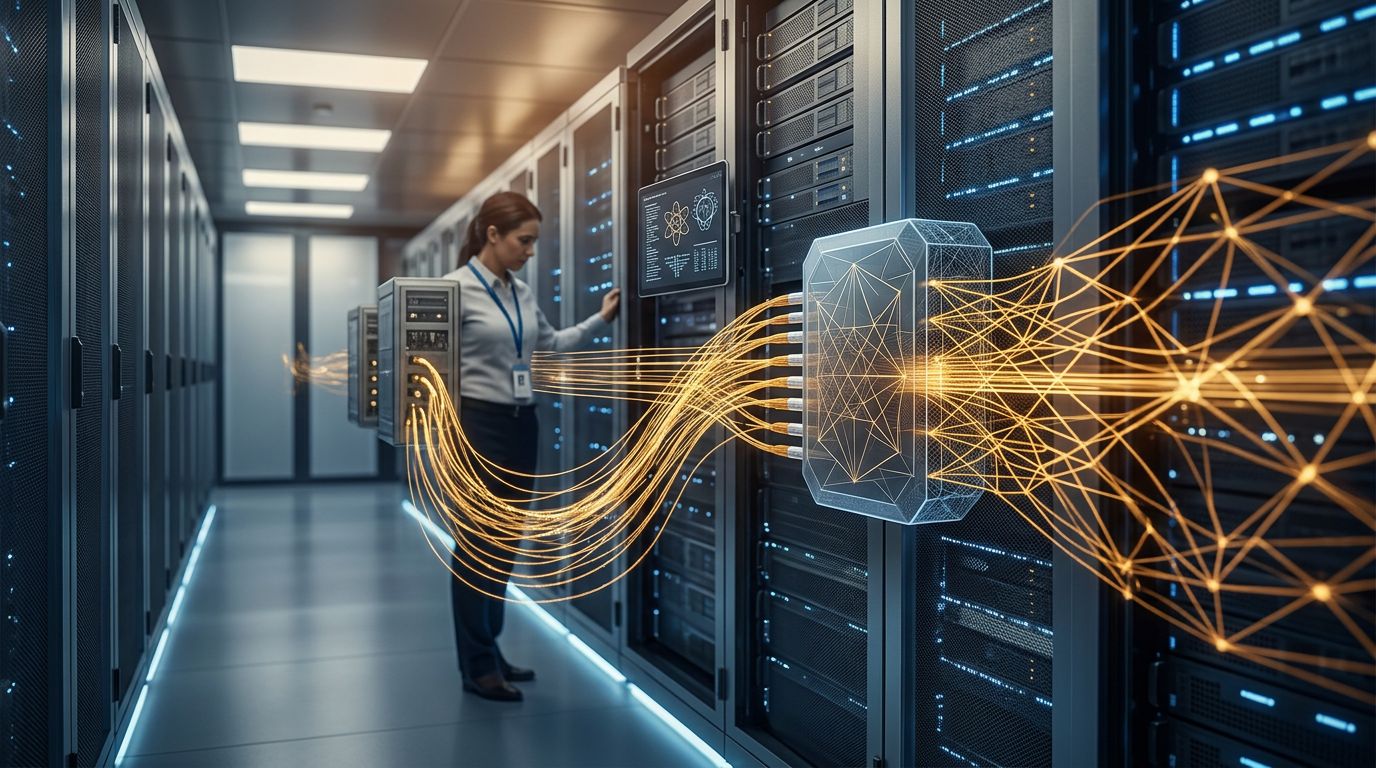
The Information reported early Monday that Google has placed an order for more than 3 million Tensor Processing Units with Intel Foundry, slated for production in 2028. That is the largest known volume commitment in Intel’s contract manufacturing history. Not a partnership announcement. Not a letter of intent. An actual order. Separately, reports surfaced that Nvidia is running early process trials on Intel’s 18A node for its next Feynman GPU architecture. Nvidia has not placed an order yet, but the fact that it is testing at all is a signal the market was not expecting to get this soon.
Before either of those stories landed, INTC was already up 4.4% in premarket on a Foxconn collaboration for AI infrastructure and edge platforms announced over the weekend. The day had a lot of fuel early.
Analyst Price Targets
- Wells Fargo – Market Weight | Target raised from $85 to $110
- Barclays – Equal Weight | Target raised from $65 to $100
- Mizuho – Neutral | Target raised to $128
- Benchmark – Buy | Target $140 (issued May 18, 2026)
- Consensus (48 analysts) – Hold | Average target ~$88.71
Worth pausing on that consensus figure. The average target of $88.71 from 48 analysts is a lagging signal by definition. The stock is trading well above it. What matters more right now is the directional trend in individual upgrades, not where the crowd average sits. The gap between the $88 consensus and the $110-plus close tells you analysts are scrambling to catch up, not leading the move.
The World’s #1 Ranked Stock Picker of 2020 Just Revealed His Biggest Call Yet
He called Nvidia, Tesla, AMD and Palantir before they soared thousands of percent. Now, he says the OpenAI and Anthropic IPOs are about to create the opportunity of the decade. But not in the way most folks expect.
What Intel Actually Is Right Now
Intel Corporation (NASDAQ: INTC) is a Santa Clara-based semiconductor company split across two core businesses: Products, which covers Client Computing and Data Center and AI, and Intel Foundry, the contract manufacturing arm that is now the center of every conversation about this stock.
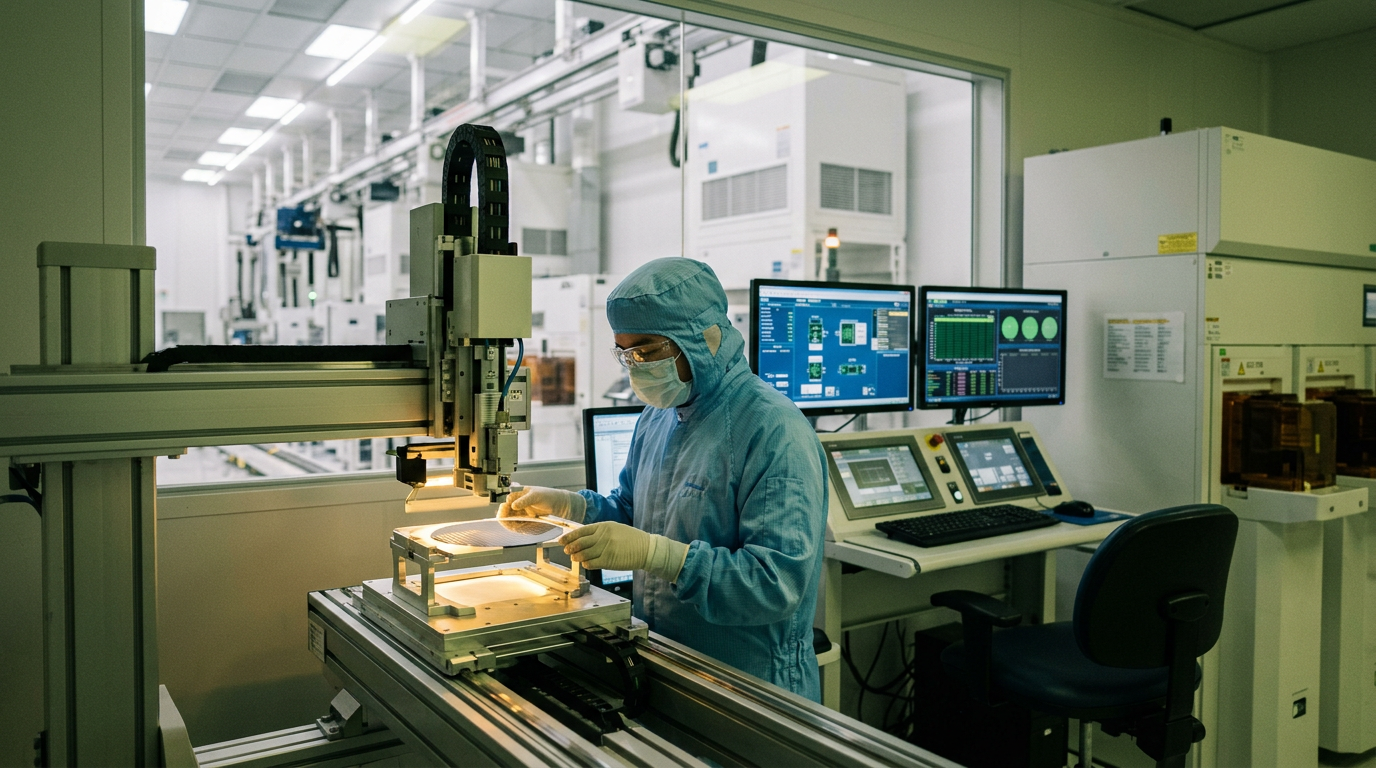
CEO Lip-Bu Tan took over in 2025 and has been running hard at a single thesis: Intel is no longer a PC chip company. It is an AI infrastructure company. The 18A process node is in mass production. Xeon 6+ data center CPUs launched at Computex 2026. Rackscale AI systems are being co-developed with SambaNova. AI-related revenue now accounts for 60% of Intel’s total revenue, up 40% year-over-year as of Q1 2026.
That is a genuinely different company than the Intel of 2022. Whether the stock price has gotten too far ahead of the transformation is the real question.
Q1 2026 Financials
- Revenue: $13.6 billion – beat guidance midpoint by $1.4 billion
- Non-GAAP EPS: $0.29 vs. consensus of $0.02
- Non-GAAP Gross Margin: 41%
- GAAP Net Loss: approx. $3.73 billion
- Free Cash Flow: approx. -$2.54 billion
- Capex: approx. $3.64 billion
- Trailing 12-Month Revenue: ~$52.85 billion
- GAAP Profit Margin: approx. -6%
- AI Revenue Mix: 60% of total, +40% YoY
- Forward P/E: above 40x
- Next Earnings: July 23, 2026
The EPS beat was extraordinary on paper. But the GAAP reality is a company still burning through capital at a significant rate. The 41% non-GAAP gross margin is moving in the right direction. Free cash flow is still deeply negative. Both things are true and both matter depending on your time horizon.
Hall of Fame Trader Reveals Elon’s Next Millionaire Maker
Jon Najarian called Apple in 2010, Tesla in 2014, and Nvidia in 2021 before ChatGPT existed. Now he says the blueprint for Elon Musk’s NEXT fortune is sitting in a public document almost nobody has read – one Morgan Stanley puts at $40 trillion. Jon has identified one publicly traded company – that’s 42 times smaller than SpaceX – at the center of it all.
Why Today’s Move Was Different From Last Week
To understand Monday, you have to understand what happened Thursday.
On June 5, the Philadelphia Semiconductor Index dropped more than 10% in a single session. Its steepest single-day decline since 2020. Over $1 trillion in sector market cap erased. The immediate trigger was Broadcom’s Q3 AI chip guidance coming in at $16 billion against roughly $17.2 billion expected, with management declining to raise its full-year AI outlook. That was enough. INTC closed just under $100 after trading as high as $132.75 on May 11.
The accelerant behind that selloff was macro. The May jobs report landed at 172,000, nearly double the 80,000 consensus. Treasury yields spiked. Rate-hike talk came back. When you are holding a stock trading above 40x forward earnings that is still posting GAAP losses, rising rates are a direct economic problem, not just a sentiment problem. Every dollar of future foundry revenue gets discounted at a higher rate. The math gets worse faster than people expect.
What’s interesting about Monday is that buyers came back anyway. The speed of the rebound suggests last week’s move looked to many investors like forced selling and positioning unwind rather than a genuine reassessment of the AI infrastructure spending cycle. The Google TPU order gave them a reason to act on that interpretation.
Slight tangent, but it matters: SK Hynix is separately running compatibility tests to confirm its high-bandwidth memory works reliably with Intel’s packaging technology. That is not a headline catalyst. It is a quiet signal that the supply chain ecosystem around Intel Foundry is being actively stress-tested by serious players. That kind of behind-the-scenes validation does not show up in the stock the same day. It shows up in future order flow.
Still, the fade from $113.60 to $110.18 tells you the macro overhang has not been resolved. Sticky rates, a stretched valuation, and no clarity yet on Q2 fundamentals all give sellers a rational reason to trim into strength. At beta-3.0, INTC amplifies every macro signal in both directions.
Bigger than Nvidia? Louis Navellier thinks so.
In 2016, Louis Navellier recommended Nvidia at $2.51 – split-adjusted. It went up 44,000%. He also called Apple before a 36,000% rise and Microsoft before a 60,800% climb. Now he says a new AI device coming online in Tennessee is the setup for the biggest call of his career.
He’s agreed to reveal the stock at the center of it – down to the ticker – for free.
Three Ways This Plays Out
Bull Case: The Google TPU order is the first of several. Nvidia converts from testing to actual ordering on 18A. Foundry revenue starts showing up materially in Q3 or Q4 results. Management executes on or ahead of its 2027 margin targets. INTC retests the $126 to $132 range, making Mizuho’s $128 target look conservative.
Base Case: Intel grinds between $105 and $125 for the next several months as investors weigh foundry execution against ongoing cash burn and GAAP losses. July 23 earnings become the next meaningful inflection point. Analyst consensus slowly walks up toward the $96 to $110 range, with the stock trading at a premium based on AI optionality pricing.
Bear Case: The Fed gets more hawkish. Nvidia’s 18A tests produce nothing actionable. Google’s 2028 order hits packaging capacity delays. Q2 GAAP losses widen. The stock retraces toward the $90 to $99 zone it briefly touched on June 5, and the bull case gets pushed out another two quarters.
Technicals
52-week range: $18.97 to $132.75. Today’s session: $99.86 to $113.60 intraday, closing near $110.18. The $109 to $110 zone held as active support all day, with dip buyers defending it repeatedly. Sellers consistently leaned on $112 to $113. The SMA-20 sits near $116.26, which is the first real technical hurdle on a continuation move. The SMA-50 near $85 and SMA-200 near $50 remain well below current price, reflecting the scale of this year’s move. MACD and ADX are still in buy territory on the daily chart. Volume tracked below the 108 to 115 million daily average, which is the one caution flag worth noting. A bounce on light volume is not the same as a bounce on conviction.
What to Watch From Here
- July 23, 2026 earnings: Q2 revenue, foundry customer disclosures, and 2027 margin path updates are the central data points
- Nvidia 18A decision: Testing to ordering is the single largest potential inflection point for Intel Foundry credibility
- Google TPU production timeline: The 2028 order requires packaging capacity buildout starting now – operational confirmations will matter
- 10-year Treasury direction: Sustained yield increases apply direct pressure on a 40x-plus forward multiple
- Analyst target migration: The $88.71 consensus from 48 analysts is backward-looking – watch for individual upgrades from currently neutral-rated firms as the more actionable signal
- Broadcom Q3 results: As the sector’s demand bellwether, any upward revision to its AI chip outlook would lift the entire group again
Here is where I land on this. The Google order is real validation. The Nvidia testing is meaningful even without an order. The sector bounce was rational given the speed of last week’s selloff. All of that is true.
What is also true: Intel is still burning cash, still posting GAAP losses, and still trading at a multiple that requires a version of Intel that only exists on the other side of successful foundry execution. The gap between today’s financials and the valuation the market is assigning is not small. The stock price is already pricing in a lot of the good news.
The late-day fade is not a signal the story broke. It is a signal that at $110, the market wants proof, not more announcements.
July 23 is when that conversation gets real data attached to it.
For informational purposes only.