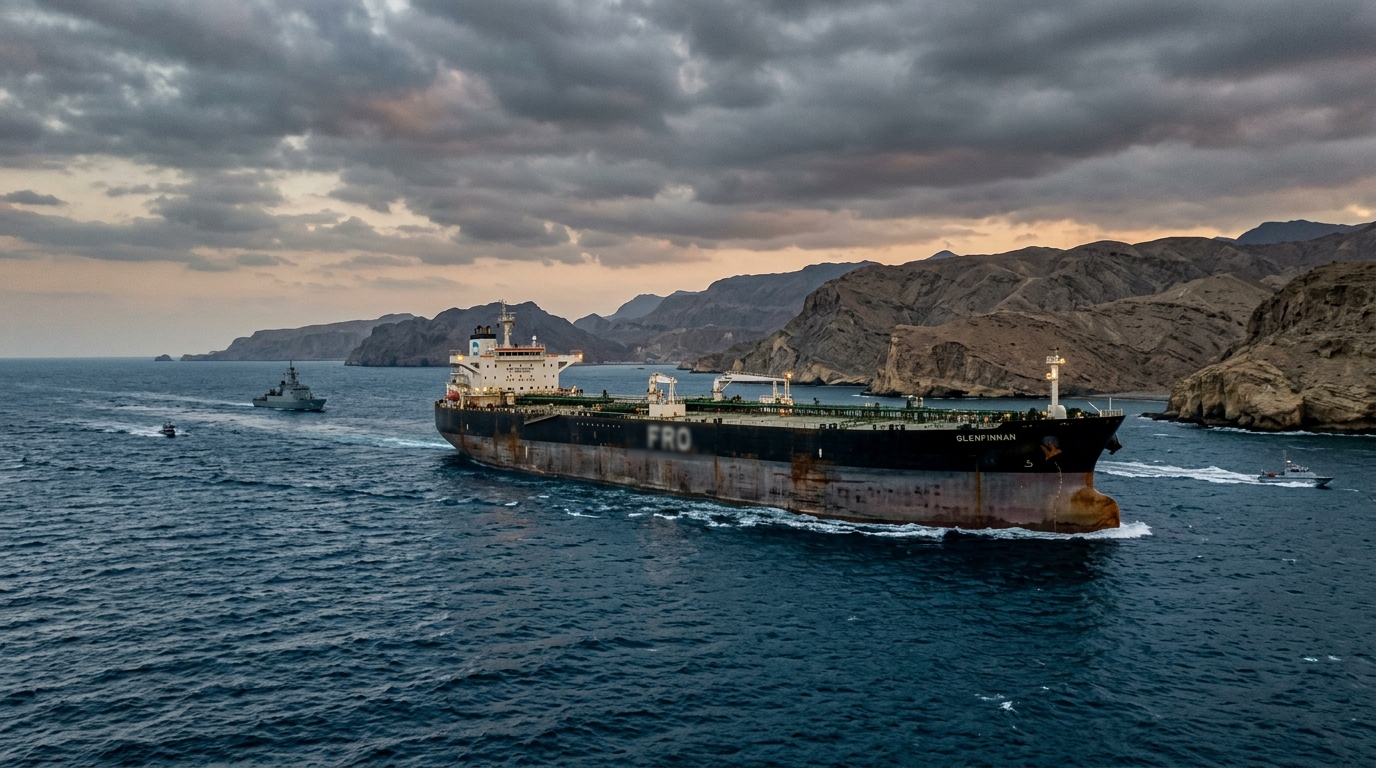
This week, Brent was trading around a ten-week low near $91.50 as markets priced in de-escalation between Washington and Tehran. That framing collapsed on Thursday. Brent settled at $95.82, up 3.3%, after President Trump said on social media that the U.S. did not “need a deal with Iran,” and it held near those levels into Friday morning. Two catalysts did the work, and both matter more than the size of the move.
Prices slipped on Friday after Trump said on Truth Social that a deal with Iran was not necessary, signaling he would stick with sanctions and restrictions tied to Iranian oil flows. That statement inverted weeks of tentative optimism that had been bleeding the risk premium out of crude. The second driver was physical: Yemen’s Iran-aligned Houthi movement said it targeted Saudi Arabia’s East-West pipeline and the Yanbu oil facility. Hitting Yanbu, which sits on the Red Sea coast, is not a symbolic gesture, it goes after the alternate route the kingdom built to reduce dependence on Gulf shipping lanes.
The tail risks are real. Several banks have sketched high-end scenarios in which Brent moves sharply higher if Gulf supply is curtailed for an extended period and if attacks on shipping or infrastructure intensify. But the exact dollar targets and year-by-year averages are highly assumption-driven and should be treated as scenario math, not a base case.
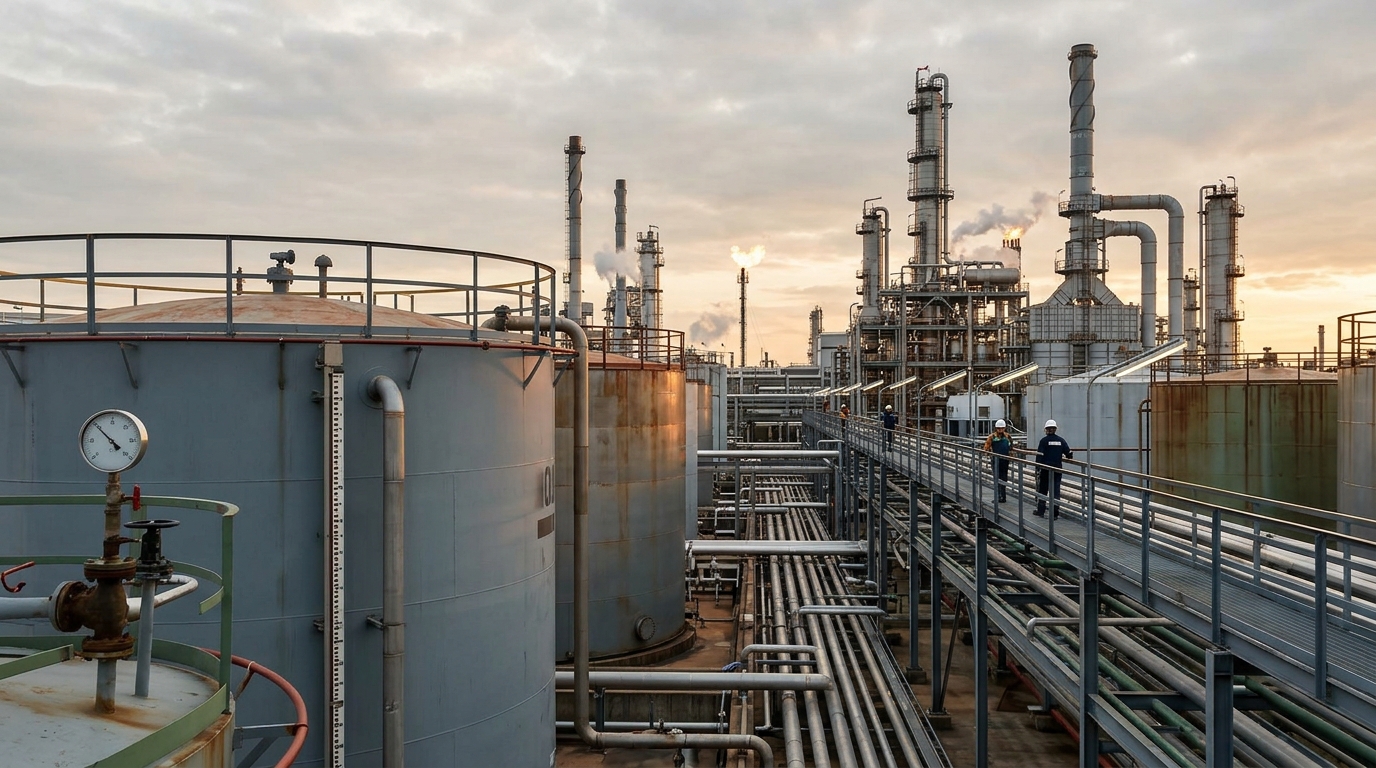
None of that makes producers the right trade. The cleaner opportunity sits in refining. The case for Valero (VLO) and Marathon Petroleum (MPC) rests on crack spreads, not crude prices in isolation. Marathon Petroleum and Valero Energy are refiners, and each company’s economics rest on the margin between what crude costs and what gasoline, diesel and other refined products sell for. When supply disruptions constrict product availability faster than they raise crude input costs, refiners benefit from both sides of that squeeze.
The big-picture point is that refining has been the relative-strength pocket inside energy in 2026, helped by outages and dislocations across key exporting regions. But the draft’s specific claim that VLO and MPC “have more than doubled this year” and that “more than 7 million barrels per day” of refined-product flows are offline is not something I could verify reliably from primary sources, so it is removed here.
What is verifiable is the margin backdrop inside the companies. Marathon Petroleum reported a Refining & Marketing margin of $45.70 a barrel for the third quarter, versus $17.60 a year earlier. On its third-quarter call, management said it expects to remain in an enhanced mid-cycle environment, with elevated margins through at least mid-2027. Valero’s position is structurally similar. Randy Hawkins, vice president of Crude and Feedstocks Supply and Trading at Valero, said on a post-earnings call that freight costs for shipping crude from the U.S. Gulf Coast to Asia have jumped to $30 to $35 a barrel from about $5 a year earlier, a cost disadvantage that falls on Asian competitors more than on Valero’s Gulf Coast operations.
The risk to this trade is a sudden diplomatic resolution that floods the market with Iranian barrels while product demand softens simultaneously. That combination would compress crack spreads quickly. A reversal in that spread would hit both refiners directly, with no production income at either company to offset the damage. Watch the spread between diesel futures and crude closely; it is the leading indicator, not the headline Brent number.
For now, the energy rotation board has reset. Trump’s Iran stance puts a floor under the geopolitical risk premium that markets spent earlier this week pricing out. The Houthi claims add a physical supply threat on top of that. VLO and MPC sit at the point where both forces converge into margin.